Congratulations on your new window tint! To ensure your premium XPEL film cures perfectly and maintains its lifetime warranty, following the proper aftercare steps is essential. These window tint care instructions are designed to help you protect your investment and keep your vehicle looking its best for years to come.
Why: This allows the XPEL film to fully adhere to the glass, preventing peeling when the windows are rolled down.
What to Expect: For the first few days, your windows may appear hazy, or show small water pockets under the tint. This is a completely normal and part of the drying process.
Why It Happens: During installation, a squeegee removes most water between the film and glass, but some remains, forming temporary pockets that evaporate as the film dries.
Drying Time: The process can take up to 30 days, depending on sunlight exposure:
Sunny and Hot Weather: Dries faster, often within days.
Cloudy or Cool Weather: May take longer, up to a month.
What to Do: Be patient—the haze and water pockets will disappear as the film fully cures, leaving a clear, professional finish.
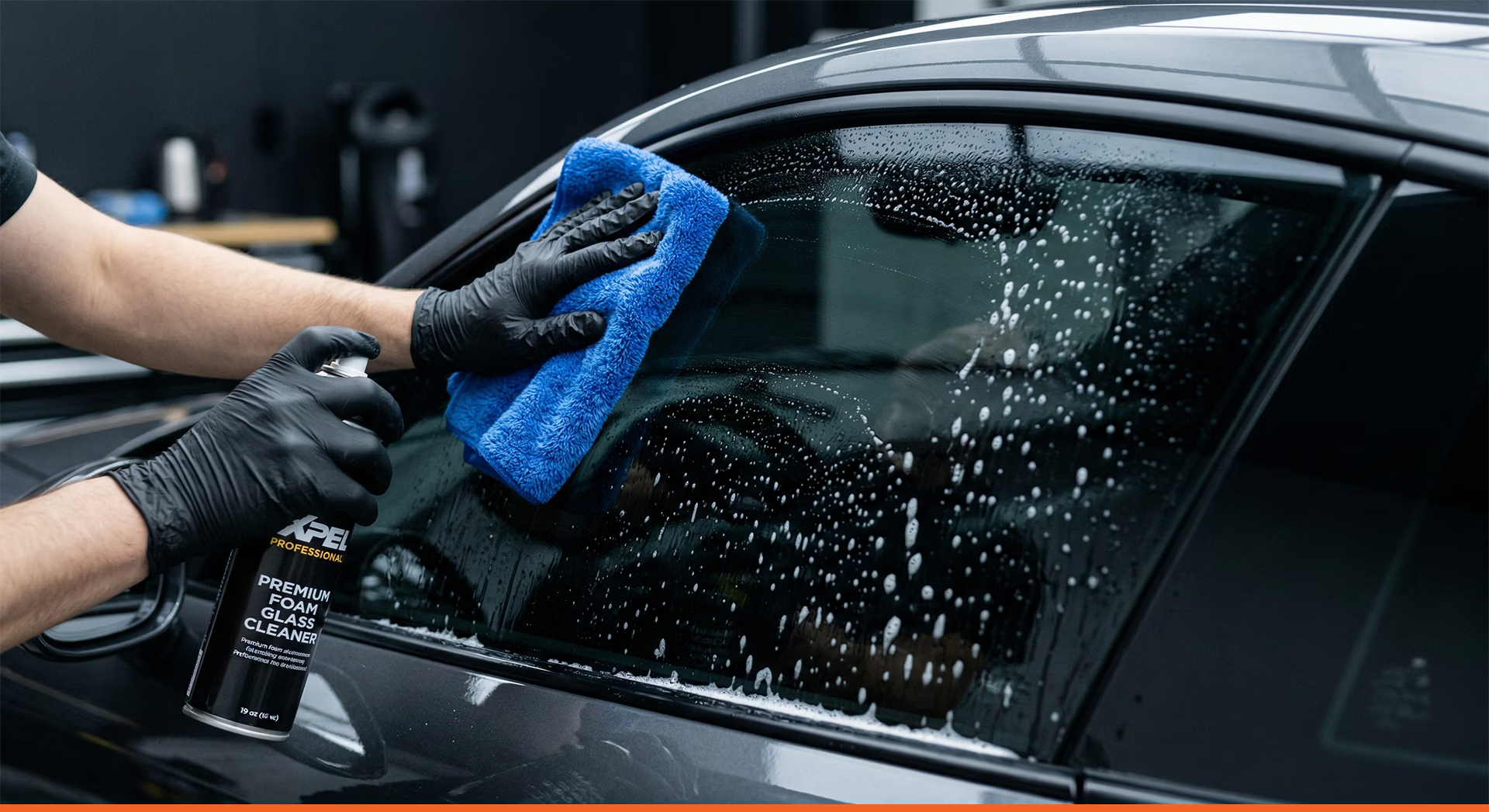
Wait Before Cleaning: Do not clean your tinted windows for 14 days after installation to allow the film to cure properly.
Safe Cleaning Products:
Use a non-ammonia cleaner labeled as safe for tinted windows (avoid Windex or ammonia-based products).
Alcohol based cleaners such as Sprayway Glass Cleaner or Stoner Invisible Glass are popular cleaners you can find at many stores.
Why It Matters: Ammonia and abrasives can weaken or scratch the XPEL film, compromising its appearance and performance.
What to Watch For: In some vehicles, seat belts may “snap” against the glass when removed, causing small chips or nicks in the window film.
Note: Seat belt chips are not covered by the XPEL lifetime warranty, so extra care helps maintain your tint’s pristine look.
What to Know: Due to the nature of window film, minor dust particles or pre-existing glass imperfections may be more noticeable after tinting. Small scratches, flaws, or deposits are common and inherent to the application process.
Why It Happens: Tinting highlights the glass’s surface, making imperfections more visible, especially in bright light.
What to Do: These are typically cosmetic and do not affect the film’s performance.